Testing & Validation
Laboratory Testing Capabilities
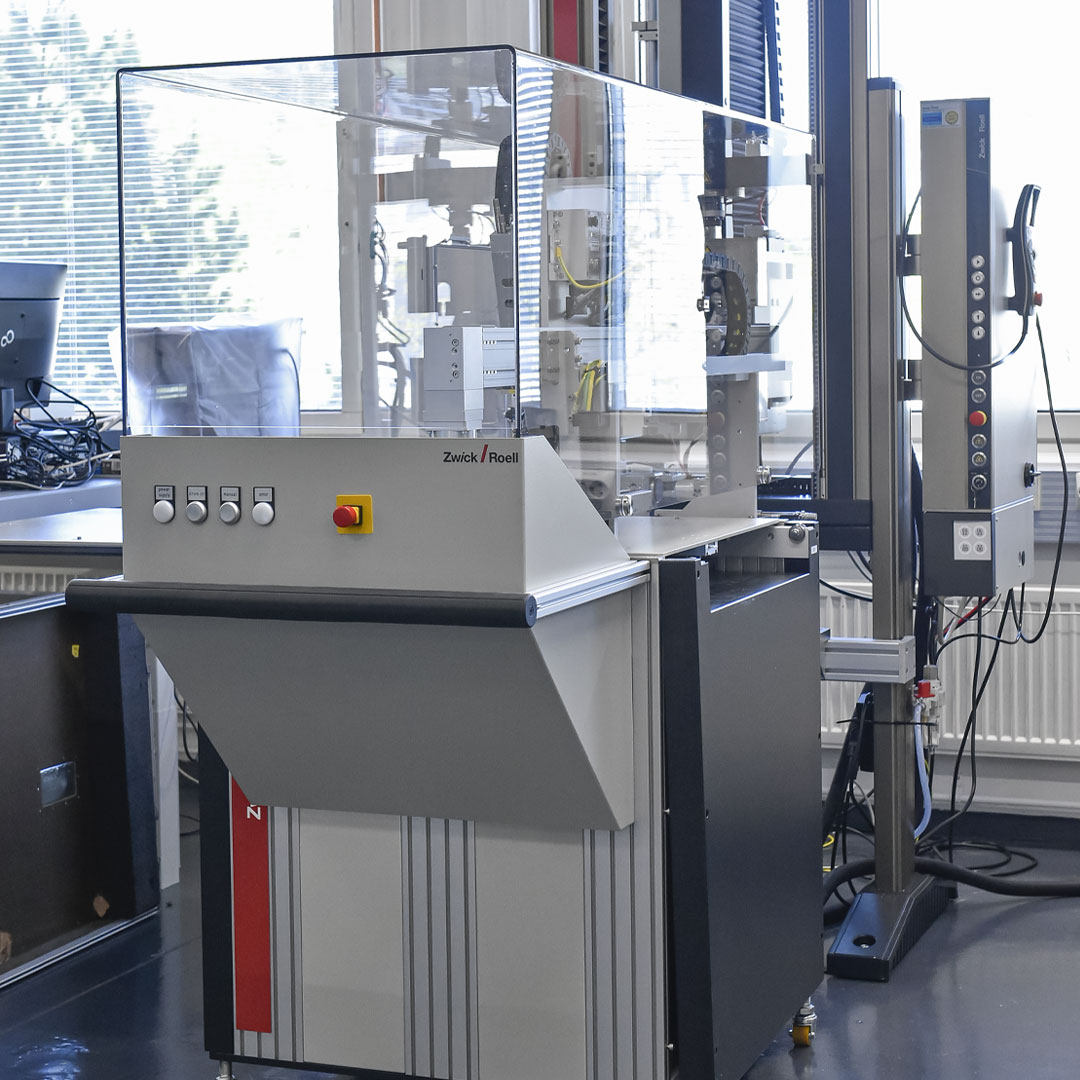
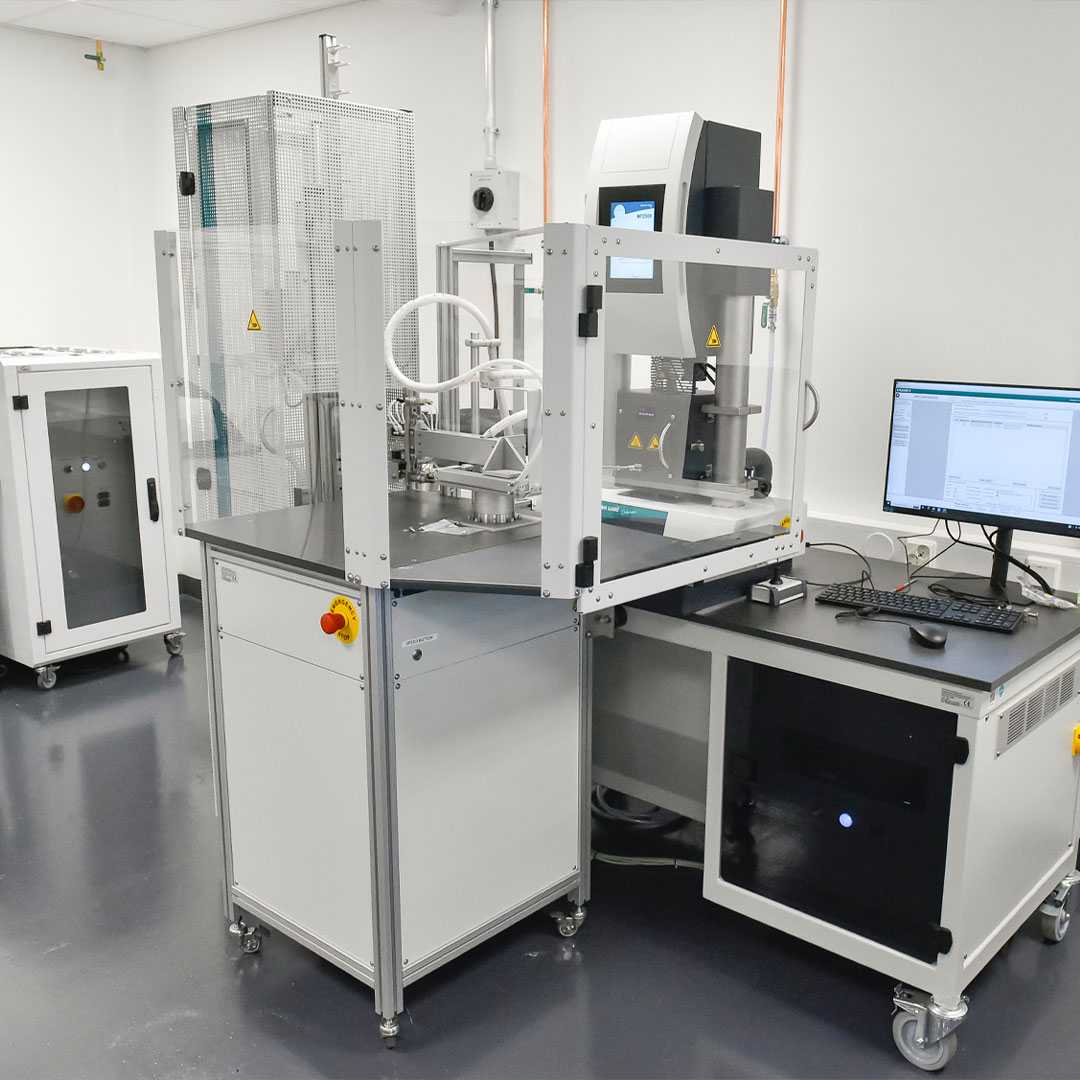
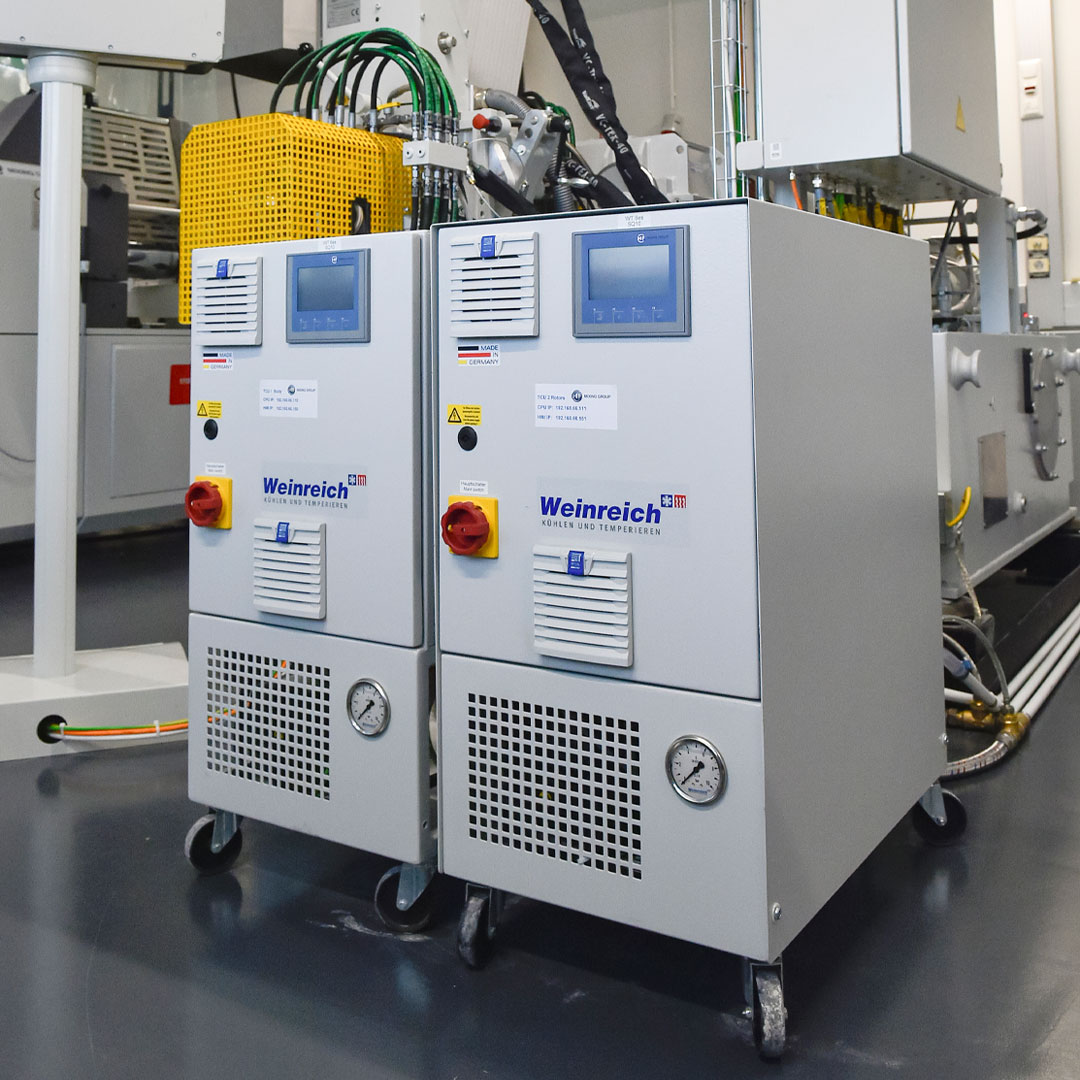
InTire Labs provides advanced laboratory testing primarily for tire materials and rubber compounds. For non-tire rubber and selected polymer materials, the test scope is defined per project. Certain full-tire or structural evaluations may be performed in cooperation with other Black Donuts testing facilities, such as BD Testing.
All testing is conducted under controlled and repeatable laboratory conditions.
Explore InTire Labs’ Capabilities
Core Laboratory Capabilities
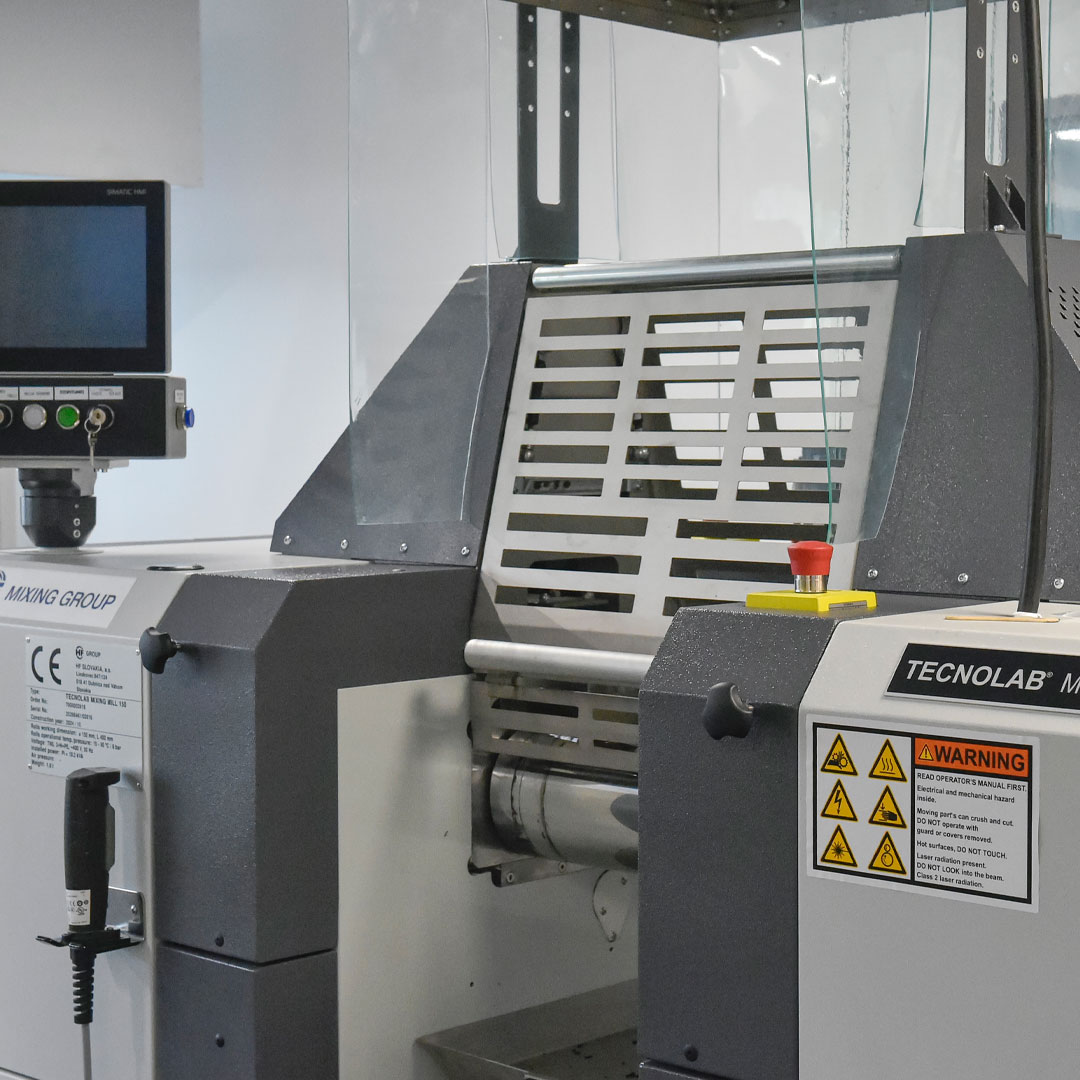
Compound Mixing & Sample Preparation +
InTire Labs provides laboratory-scale mixing and standardized sample preparation to ensure repeatable and comparable results across development programs. Capabilities include:
- Intermesh 1.6L HF mixer with constant temperature control
- Versatile mixing parameter control and monitoring
- Controlled mixing parameter monitoring
- Two-roll mill
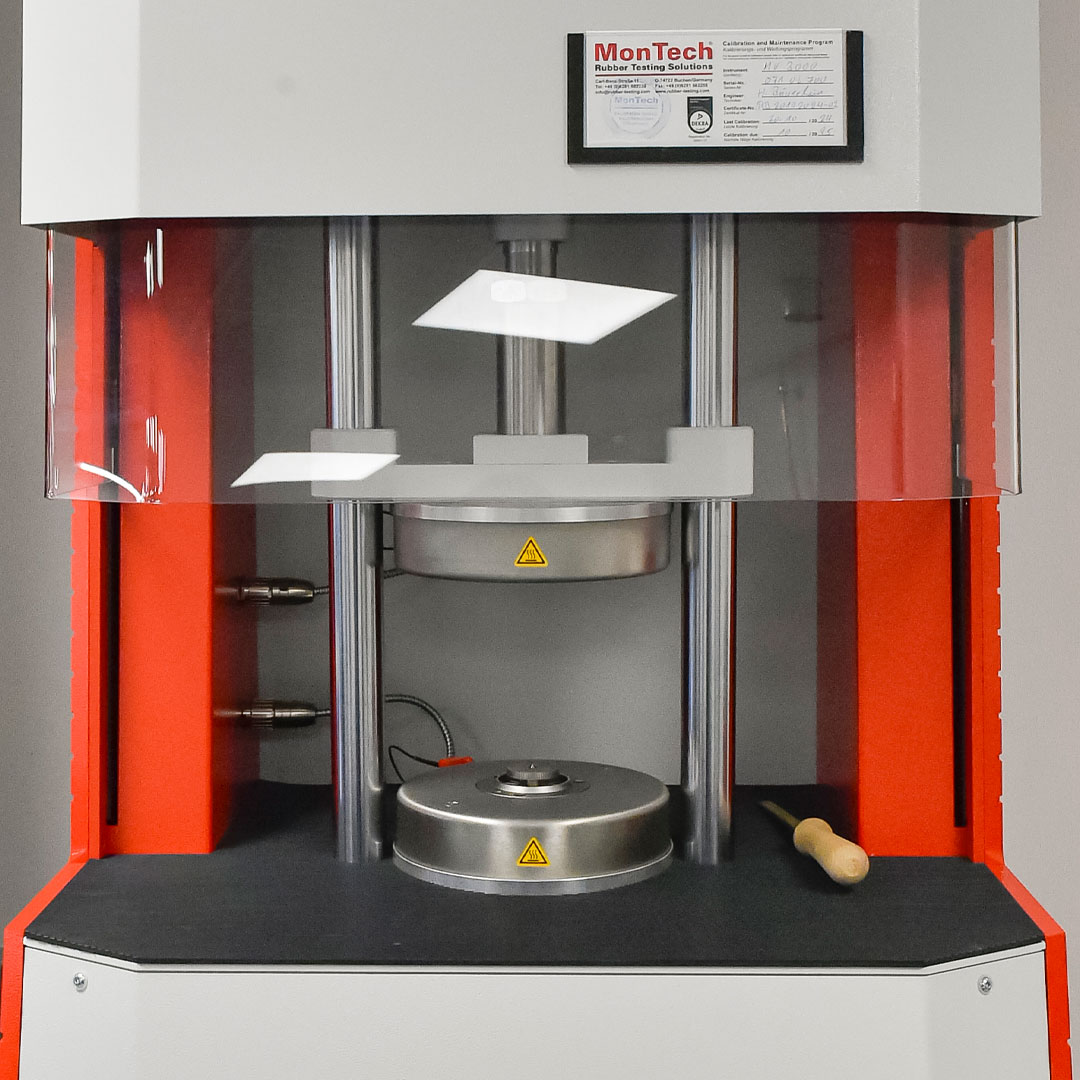
- Curing press
- Large set of moulds for standardized specimen preparation
Advantages: fast response times due to internal raw material availability, reliable replication of large-scale mixing properties, and controlled and repeatable compound preparation.
Mechanical & Physical Testing +
Mechanical testing covers strength, adhesion, durability, aging, and permeability characteristics. Capabilities include:
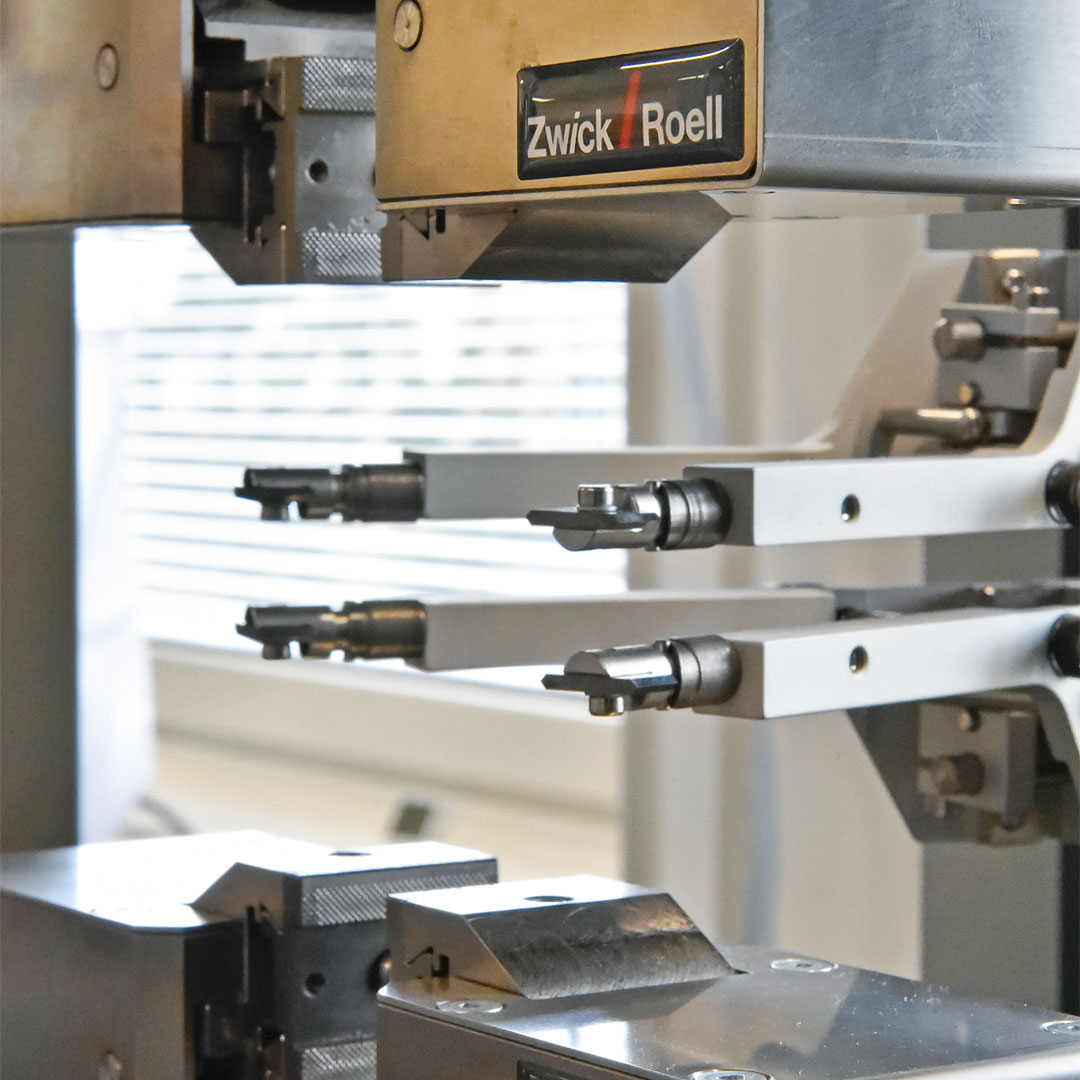
- Tensile, tear, elongation
- Hardness (Shore A/D)
- DIN abrasion
- Rebound resilience
- Density and dispersion
- Adhesion testing for cords and fabrics (tire applications)
- Tack testing
- Cure and rheology (MDR, RPA, Mooney)
- DeMattia fatigue
- Ozone and UV aging
- Air permeability
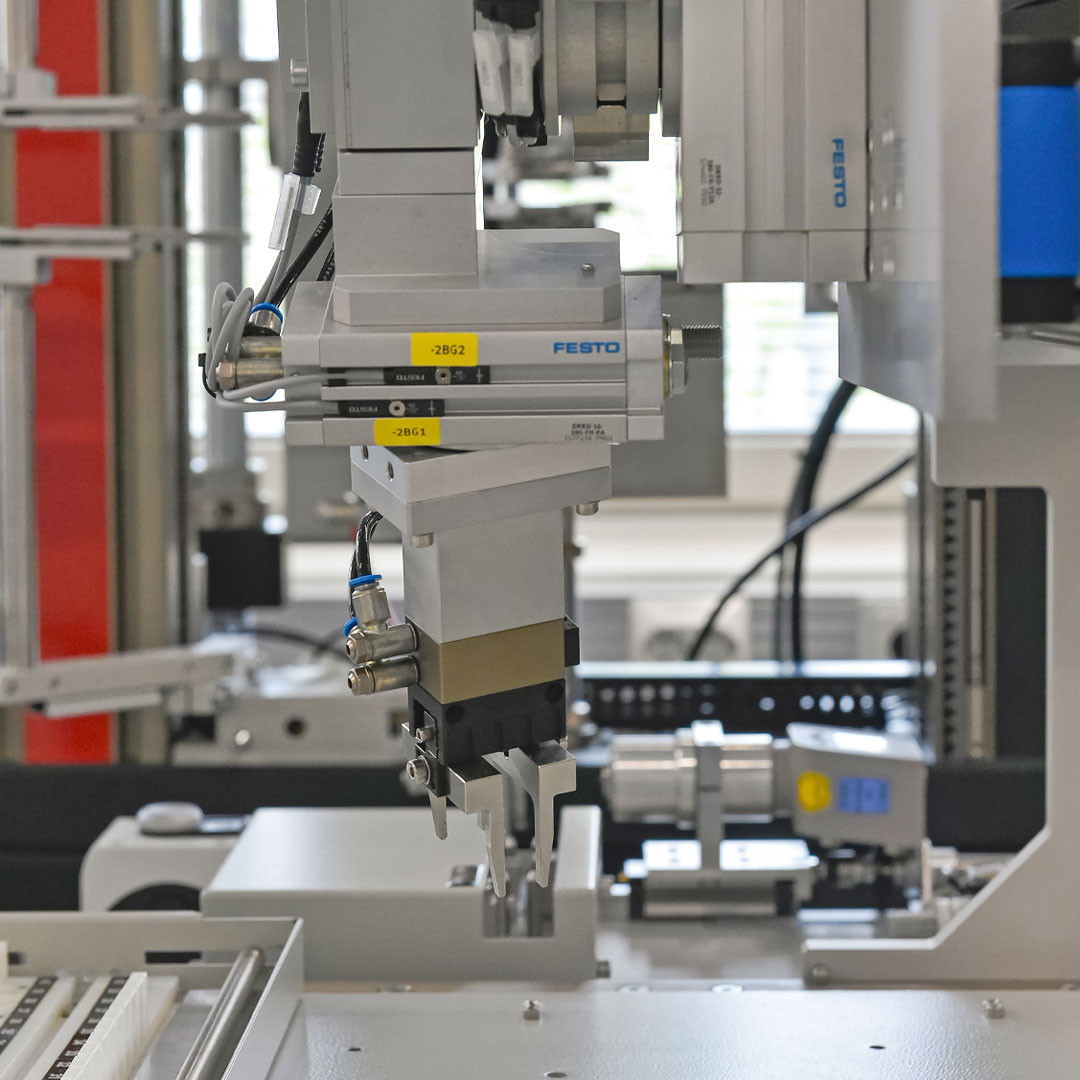
Differentiation: automated equipment systems for high repeatability, full coverage of mechanical, aging, adhesion and processability tests, fast test cycles, and strong correlation with tire component performance.
Advanced Dynamic Testing +
Advanced dynamic methods are primarily applied in tire compound development.
- DMA – Dynamic Mechanical Analysis
- Flexometer and heat build-up
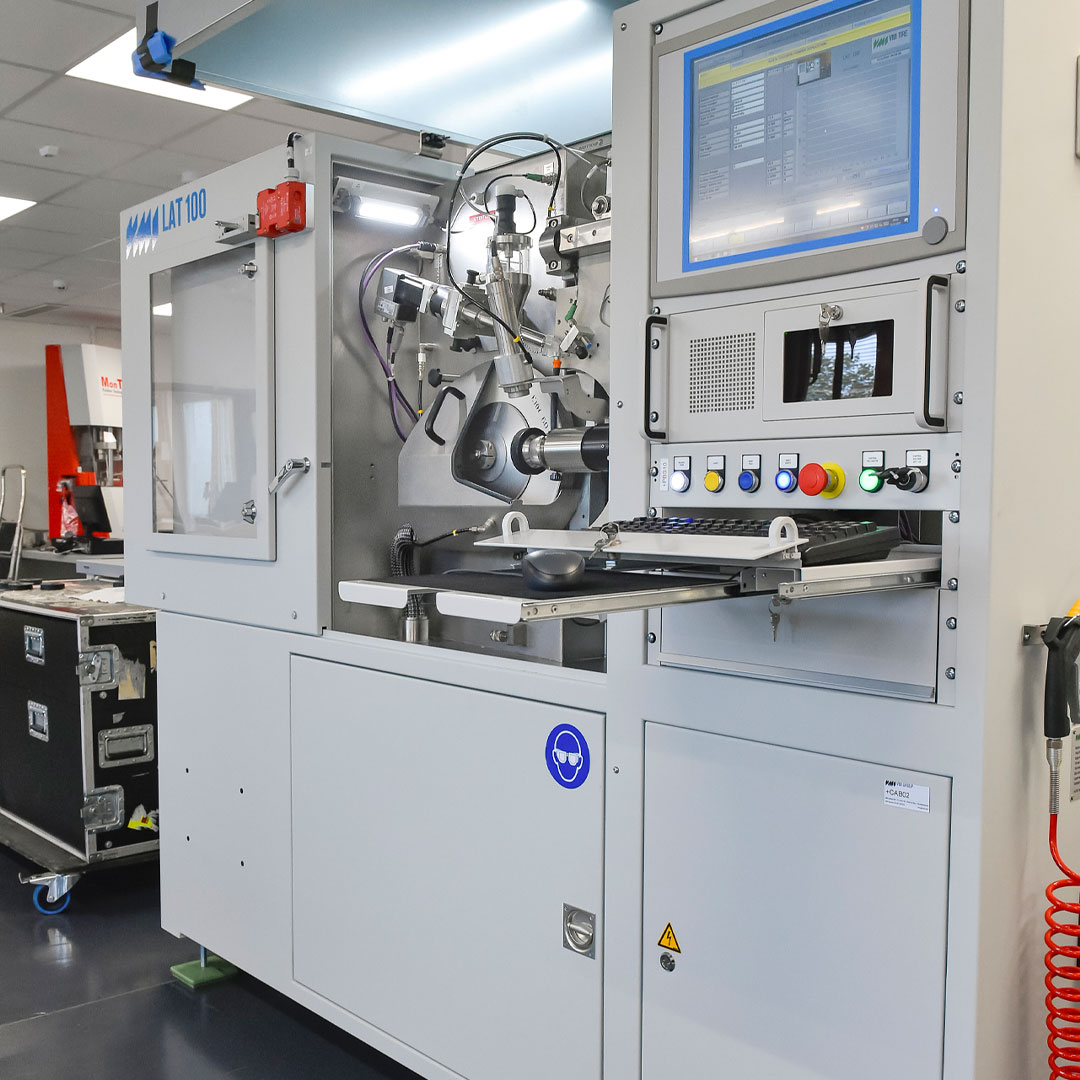
- LAT100
- ISA
- ICCA
DMA – Dynamic Mechanical Analysis Capabilities:
- Rolling resistance proxy (tan δ at 60°C)
- Wet grip proxy (tan δ at 0°C)
- Viscoelastic behavior mapping
- Polymer–filler interaction evaluation
- Temperature, frequency and strain sweeps
- Tg, damping characteristics, dynamic modulus
- Master curves
- Heat build-up prediction
Advantages: high sensitivity equipment, strong correlation between DMA viscoelastic properties and tire performance, experienced interpretation beyond raw curves
Chemical Characterization +
Chemical characterization supports understanding of compound composition and performance linkage. InTire Labs combines analytical tools with mechanical performance data for structured material evaluation.
Analytical Methods
- TGA – polymer and filler fraction estimation
- DSC – Tg, melting, crystallinity
- FTIR – polymer, oil, resin & curing system identification
- CHS analysis – carbon, sulfur, hydrogen quantification
- BET – filler surface area
- Microscopic dispersion assessment
- Physical property verification
DMA linkage to performance predictors
Differentiation: realistic compound fingerprinting, identification of filler systems and cure characteristics, strong linkage between composition and performance, and balanced and reliable interpretation.
Reverse Engineering & Benchmarking +
Reverse engineering supports structured evaluation of competitor and internal products. This capability combines chemical, mechanical, and structural analysis. Capabilities may include:
- Compound fingerprinting
- Cross-section sampling and tire layout analysis
- Inflated tire shape and tread pattern evaluation
- Tread pattern assessment
- Performance mapping
- Competitive benchmarking
Some evaluations may be performed in cooperation with other Black Donuts facilities. Project scope is defined in advance.
LAT100 +
LAT100 Friction & Abrasion Testing
Capabilities:
- Sliding friction measurement
- μ–slip curve analysis
- Lateral force and traction evaluation
- Compound ranking for grip and abrasion
- Dry and wet surface evaluation
Advantages: rare dynamic μ–slip functionality, highly relevant tread compound performance data, enables friction optimization without building full tires.
ISA +
ISA – Intrinsic Strength Analysis
Capabilities:
- Intrinsic tensile strength measurement
- Crack initiation force
- True fracture energy
- Fracture toughness assessment
Advantages: specialized equipment not available in standard labs, strong correlation with chip-cut resistance and fatigue, useful for off-road and TBR compounds.
ICCA +
ICCA – Impact & Cut Chip Analysis
Capabilities:
- Controlled impact chip resistance
- Cut-growth evaluation
- Load/energy threshold for surface damage
Advantages: quantitative data vs subjective field tests, faster and more repeatable than outdoor stone-track testing, strong relevance for OTR/TBR blocks.

Project Inquiry
Together, these testing capabilities provide a structured framework for compound evaluation and development. From laboratory-scale mixing and standardized mechanical testing to advanced dynamic methods, chemical characterization, and benchmarking, InTire Labs connects material composition with performance behavior. The objective is not only to generate data, but to support informed technical decisions before industrial implementation.
If you would like to discuss your compound development or material evaluation needs, our team is available to review your project scope and define an appropriate testing approach. Contact InTire Labs to explore how our laboratory capabilities can support your next development step.
Contact Form