Euro 7 – What Tire Manufacturers Need to Know
Tire particles, a major source of microplastics in cities, release harmful chemicals, making tires a complex pollutant needing further study for effective management and regulatory control.
Understanding Euro 7
Euro 7 is a new EU regulation introducing stricter standards that cover not only exhaust emissions but also brake and tire particle emissions. Why it matters? Particles from brakes and tires are one of the largest sources of microplastics and toxic dust in the air, water, and soil. Euro 7 aims to reduce these pollutants and make vehicles cleaner. All new models of passenger cars and vans (M1/N1) within the EU must comply with Euro 7. From 29 November 2026, the regulation will apply to all new type approvals of M1/N1 vehicles. From 29 November 2027, it will cover every new M1/N1 vehicle placed on the EU market. Key Dates:
Vehicle Emissions (Type Approval & Market Introduction):
From 29 November 2026: All new type approvals for M1/N1 vehicles must comply with Euro 7 — including measurement of tire abrasion (limits not yet enforced).
From 29 November 2027: Compliance becomes mandatory for all new M1/N1 vehicles placed on the EU market.
Tire Abrasion Limits Enforcement:
From 1 July 2028: Type-approval requirement for C1 (passenger car) tires; from 1 July 2030, non-compliant C1 tires banned from the market (sales allowed until 30 June 2032).
From 1 April 2030: Type-approval requirement for C2 (light commercial vehicle) tires; full ban from 1 April 2032 (sales allowed until 31 March 2034).
From 1 April 2032: Type-approval requirement for C3 (heavy commercial vehicle) tires; full ban from 1 April 2034 (sales allowed until 31 March 2036).
Delegation to UN WP.29
Euro 7 mandates that the UN World Forum for Harmonization of Vehicle Regulations (WP.29) define tire abrasion measurement methods and limits by:
July 2028 for C1 tires
April 2030 for C2 tires
April 2032 for C3 tires
If WP.29 does not deliver on time, the European Commission will adopt these standards via delegated acts by slightly later deadlines.
Tire wear is now a formal compliance requirement. Research by JRC indicates that tire wear particles contribute 5% to 30% of particulate emissions from road transport, with a significant portion of this material being transformed into environmental microplastics. Under Euro 7, these emissions will be controlled through official type-approval testing methods, specific emission thresholds, and stricter rules on material composition and wear resistance.
Meeting the Requirements
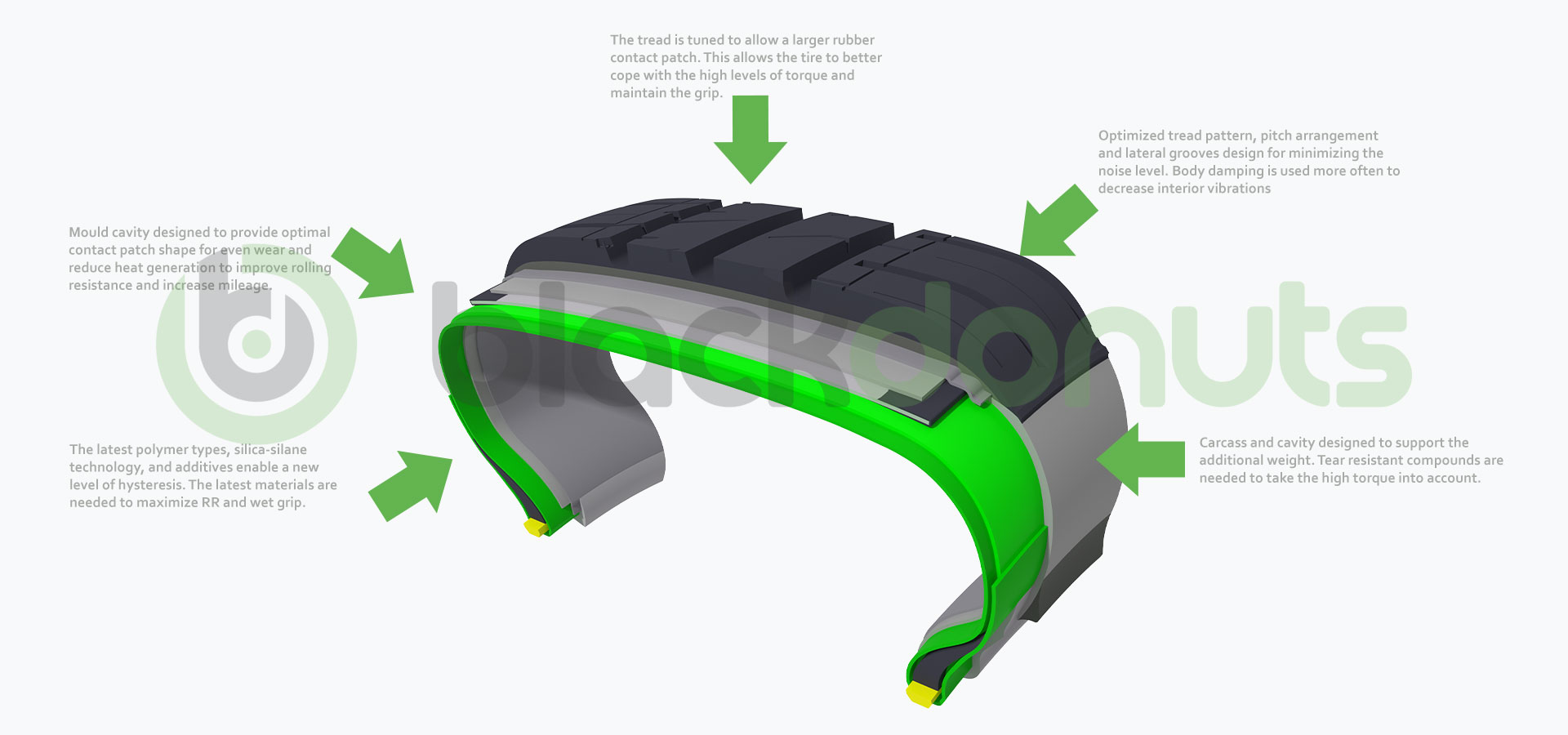
Meeting these requirements will take more than minor product adjustments. Manufacturers must invest in targeted R&D, validate designs through rigorous testing, and adapt production quickly to secure market leadership. For many, this will mean redesigning compounds to use sustainable, low-wear materials; optimizing production lines to meet both cost and compliance goals; integrating onboard sensors to measure emissions in real-time; and evaluating environmental impact from manufacturing to end-of-life.
In the case of electric and hybrid vehicles, which have unique braking systems and tire specifications, Euro 7 adds additional design considerations, such as regenerative braking integration and low rolling resistance.
Non-compliance carries serious financial, legal, and reputational risks. Penalties, include recall, denial of access to the EU market, withdrawal of type-approval certificates, liability for environmental or health harm, and additional sanctions for deliberate infringement. Reputational harm can be equally damaging, undermining market confidence and long-term competitiveness.
How Black Donuts and InTire Labs Support Transition
Book a meeting